
- Address: Medanta Super Speciality Hospital, Noida - F Block, Sector 50, Noida, Uttar Pradesh 201303
- Call Us: +91-9810413222
- Email: drmallikadhanda@gmail.com
Medanta Super Speciality Hospital, Noida
Nipple discharge refers to any fluid that leaks from the nipple — whether it occurs spontaneously or only when pressure is applied to the breast. It may affect one or both breasts and can appear as milky white, clear, yellow, green, or bloody discharge.
Not all nipple discharge is a warning sign. Many cases are associated with normal hormonal changes, breastfeeding, medications, or benign breast conditions. However, certain symptoms — especially bloody nipple discharge, discharge from a single breast, or spontaneous discharge without an obvious reason — require timely nipple discharge evaluation to identify the underlying cause.
Accurate diagnosis is important because nipple discharge may occasionally be linked to conditions that need further assessment and treatment. Early consultation with a nipple discharge specialist in Noida can help determine whether observation, imaging, or additional testing is required.
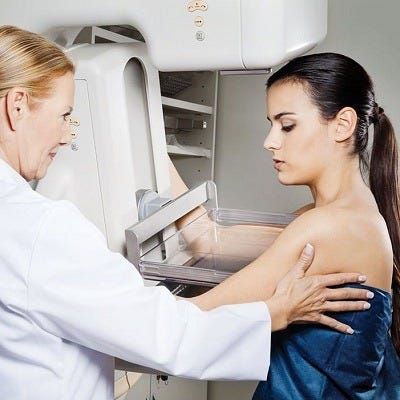
Nipple discharge can differ in colour, consistency, and cause. Understanding the type of discharge helps guide proper nipple discharge evaluation and treatment.
Common during pregnancy and breastfeeding. Outside these situations, milky discharge may be linked to hormone changes, elevated prolactin, medications, or thyroid conditions.
Thin, transparent discharge — especially from one breast occurring spontaneously — should be evaluated as it may occasionally indicate duct-related changes.
Often associated with benign breast conditions such as duct ectasia or fibrocystic changes and should be clinically assessed.
Bloody or blood-tinged nipple discharge requires prompt medical evaluation as it may be associated with intraductal papilloma or other duct-related conditions.
Nipple discharge can result from normal hormonal changes or underlying breast conditions that may require specialist evaluation and treatment.
A small benign growth inside a milk duct and one of the most common causes of bloody or clear nipple discharge in non-pregnant women.
Age-related widening and inflammation of milk ducts that may cause thick, greenish, or dark-coloured discharge.
Benign breast tissue changes that may occasionally lead to nipple discharge and breast discomfort.
Elevated prolactin levels or thyroid hormone changes can trigger nipple discharge even outside pregnancy.
Breast infections or abscesses may produce pus-like discharge and are often associated with pain and inflammation.
Some medicines including antidepressants, hormonal medications, and blood pressure medicines may contribute to discharge.
Physiological nipple discharge commonly occurs during pregnancy and throughout the breastfeeding period.
Most nipple discharge is benign, but spontaneous bloody discharge from one breast should be evaluated promptly to rule out serious duct-related conditions.
Treatment depends on the underlying cause and may range from simple reassurance to medical or surgical care.
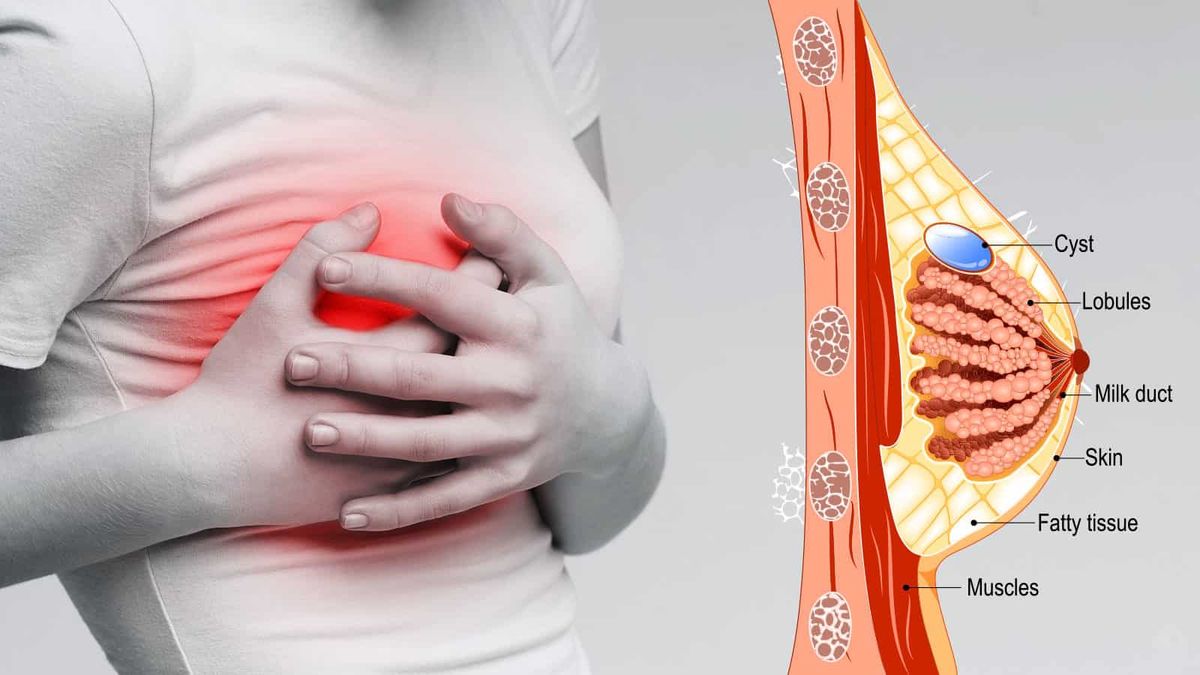

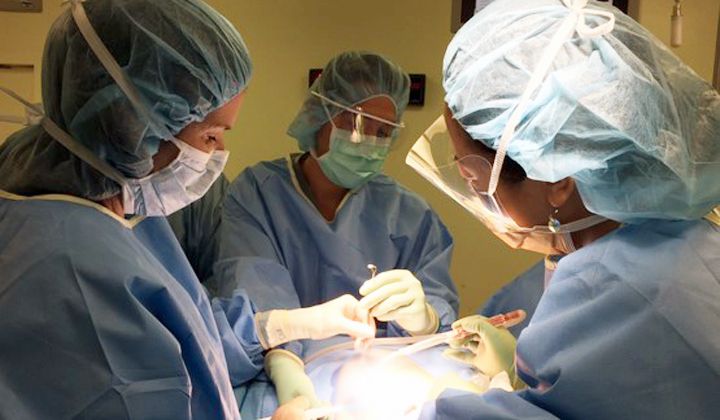
While many cases of nipple discharge are harmless, certain symptoms require prompt nipple discharge evaluation to identify the cause and guide treatment.
Unilateral nipple discharge should always be assessed to determine whether further investigation is needed.
Bloody discharge requires prompt breast evaluation as it may indicate an underlying duct-related condition.
Spontaneous nipple discharge occurring without squeezing or stimulation should not be ignored.
Seek assessment if discharge occurs with a breast lump, skin dimpling, nipple changes, or breast discomfort.
Nipple discharge occurring outside pregnancy or breastfeeding should be clinically evaluated.
Ongoing or worsening discharge should be reviewed by a breast specialist for proper diagnosis.
Any nipple discharge after the age of 40 should be evaluated with appropriate breast assessment and imaging.
Even if symptoms turn out to be harmless, specialist evaluation provides reassurance and peace of mind.
Concerned about nipple discharge, breast changes, or unusual symptoms? Get expert nipple discharge evaluation and personalised breast care with Dr. Mallika Dhanda at Medanta Noida. From clinical examination and breast imaging to diagnosis and treatment planning, receive compassionate and evidence-based care for complete peace of mind.
Healthy breast habits and timely evaluation can help detect changes early and support long-term breast health.
Repeated nipple stimulation may trigger or worsen nipple discharge in some individuals.
Become familiar with your normal breast pattern so you can recognise new lumps, discharge, or changes early.
Annual breast evaluation is especially important after 35 years of age or if you have a family history of breast conditions.
Maintaining a healthy body weight supports hormonal balance and overall breast wellness.
Inform your doctor about all medicines you take, as certain medications may contribute to nipple discharge.