
- Address: Medanta Super Speciality Hospital, Noida - F Block, Sector 50, Noida, Uttar Pradesh 201303
- Call Us: +91-9810413222
- Email: drmallikadhanda@gmail.com
Medanta Super Speciality Hospital, Noida
Granulomatous mastitis (GM) is a rare, chronic inflammatory breast condition in which the immune system triggers the formation of granulomas — clusters of inflammatory cells within breast tissue. This can lead to breast lumps, swelling, redness, pain, abscess formation, and in some cases skin ulceration. Although granulomatous mastitis is a benign (non-cancerous) condition, its appearance on clinical examination and imaging can closely resemble breast cancer, tuberculosis, or certain infections, making accurate diagnosis extremely important.
There are two recognised forms of this condition. Idiopathic Granulomatous Mastitis (IGM) occurs when no clear underlying cause is identified and represents the most common type. Secondary Granulomatous Mastitis develops due to identifiable causes such as tuberculosis (TB mastitis), fungal infections, sarcoidosis, or foreign body reactions.
Idiopathic granulomatous mastitis most commonly affects women between 20 and 45 years of age and is frequently seen after pregnancy or breastfeeding within the previous few years. The condition often follows a prolonged and relapsing pattern, which is why early diagnosis and specialist-led treatment are important.

Symptoms of granulomatous mastitis can vary between patients and often fluctuate over time. The condition usually affects one breast but may occasionally involve both breasts.
A firm, irregular, and often tender breast lump that may involve a larger area of the breast and can resemble breast cancer during examination or imaging.
Persistent breast pain and tenderness that may become severe during active inflammation or recurrent flare-ups.
Redness, warmth, and thickening of the breast skin that may resemble infection but may not improve with routine antibiotics.
Fluid collections or breast abscesses may develop repeatedly and can occasionally drain through the skin surface.
Advanced or untreated cases may lead to skin breakdown, ulceration, and chronic discharging sinus tracts that require specialist management.
Nipple retraction, nipple discharge, or changes around the areola may occur when inflammation affects the central breast region and should be carefully evaluated.
The exact cause of idiopathic granulomatous mastitis (IGM) is not fully understood, but current evidence suggests an abnormal immune response combined with hormonal and inflammatory triggers.
Most cases occur within a few years after pregnancy or breastfeeding. Hormonal and breast tissue changes during this period may increase susceptibility.
An abnormal immune response may target breast tissue and trigger chronic granulomatous inflammation. Some patients may also have associated autoimmune conditions.
Hormonal medications and oral contraceptive use have been associated with granulomatous mastitis in selected cases due to their effect on breast tissue.
Tuberculosis, fungal infections such as Actinomyces, and certain bacterial infections including Corynebacterium can cause secondary granulomatous mastitis and require targeted diagnosis.
Treatment depends on the severity of the condition and may include medications, minor procedures, or surgery in selected cases.


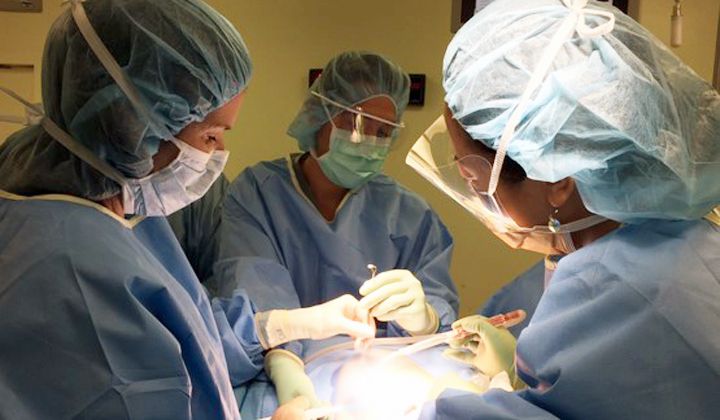
Early specialist assessment can help confirm the diagnosis, reduce delays in treatment, and prevent recurrent inflammation or unnecessary procedures.
Seek evaluation if a breast lump is not improving despite antibiotics or routine treatment.
Repeated abscess formation, especially in the same breast area, requires specialist assessment.
Breast pain, swelling, and redness that repeatedly return should not be treated as routine infection alone.
If a previous biopsy or evaluation did not provide a clear diagnosis, further specialist review may help.
Non-healing wounds, draining sinuses, or skin ulceration should be evaluated promptly.
Breast lumps associated with nipple changes or concern about cancer require detailed assessment.
If granulomatous mastitis keeps returning or is not responding to treatment, reassessment is recommended.
If you have been diagnosed with IGM and have not yet consulted a breast and endocrine specialist, expert guidance may improve management.
Struggling with a persistent breast lump, recurrent abscess, breast inflammation, or symptoms not improving with routine treatment? Get expert granulomatous mastitis evaluation and personalised treatment with Dr. Mallika Dhanda at Medanta Noida. From accurate diagnosis and biopsy guidance to advanced medical and surgical management, receive specialist breast care focused on long-term recovery and reassurance.
Following proper care and timely medical guidance can help reduce risks and prevent recurrence.
Keep the breast area clean and dry to reduce the risk of infection.
Consult a doctor promptly if you notice any unusual symptoms.
Follow proper care instructions after treatment to support recovery.
Attend scheduled check-ups to monitor health and prevent recurrence.