
Appointment
Breast Care Specialist

What Is a Breast Diagnostic Evaluation?

A breast diagnostic evaluation is a structured clinical process used to detect, characterize, and confirm breast conditions—from benign breast lumps to early-stage breast cancer. It combines clinical breast examination, breast imaging studies (breast ultrasound, mammography), and tissue sampling (FNAC or core biopsy) to arrive at a definitive diagnosis.
Early, accurate breast cancer diagnosis is the most critical step in preventing complications, avoiding unnecessary procedures, and designing an effective treatment plan. A comprehensive triple assessment breast evaluation helps ensure timely diagnosis and appropriate management of breast abnormalities.


Book a Consultation
Breast Pain Clinic

Our Specialized Diagnostic Services

Triple Assessment Clinic (Exam + Imaging + Biopsy)

A gold-standard approach combining clinical examination, imaging, and biopsy for accurate and reliable diagnosis.

Ultrasound-Guided Procedures

Advanced imaging-guided techniques to accurately locate and treat breast abnormalities with precision and safety.
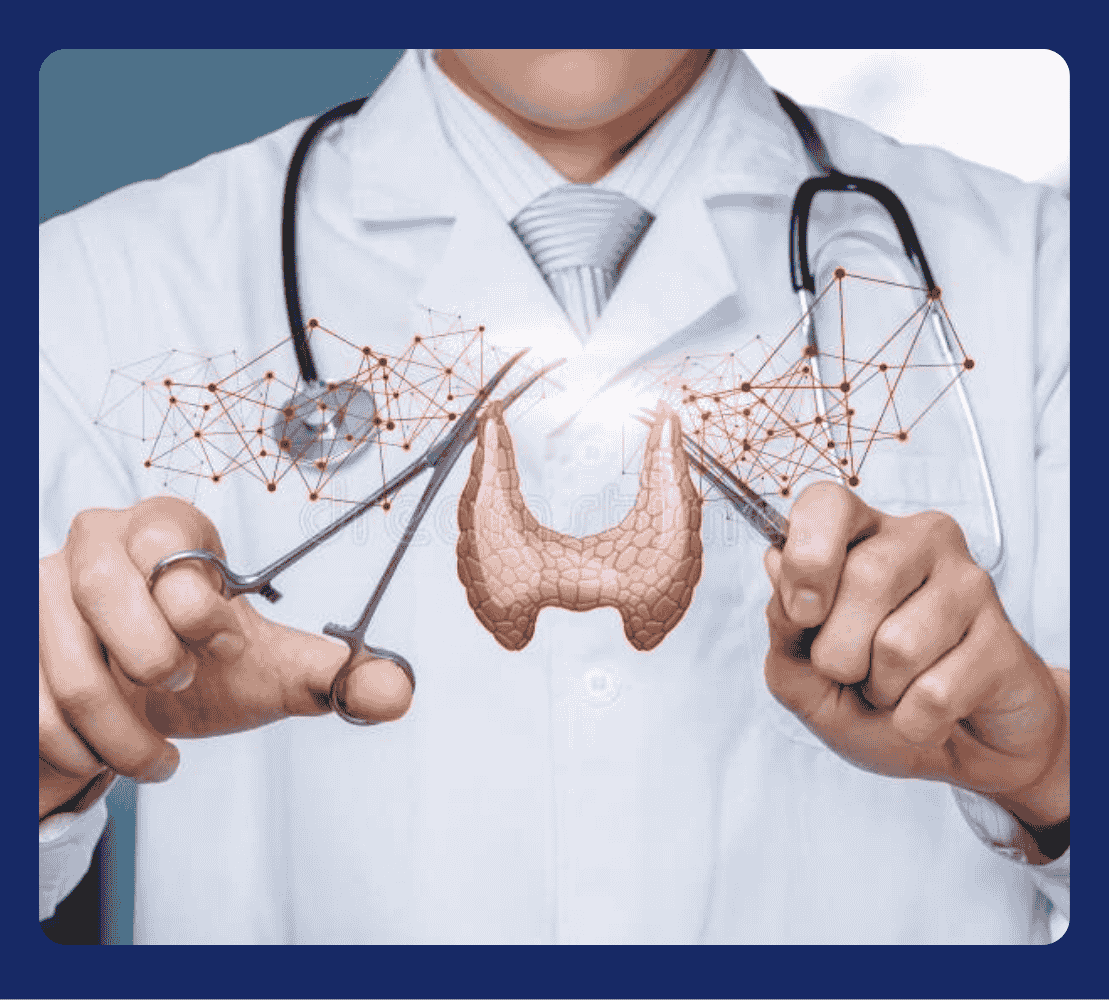
FNAC / Core Biopsy Coordination

Efficient coordination of needle-based diagnostic procedures to confirm the nature of breast lumps or lesions.
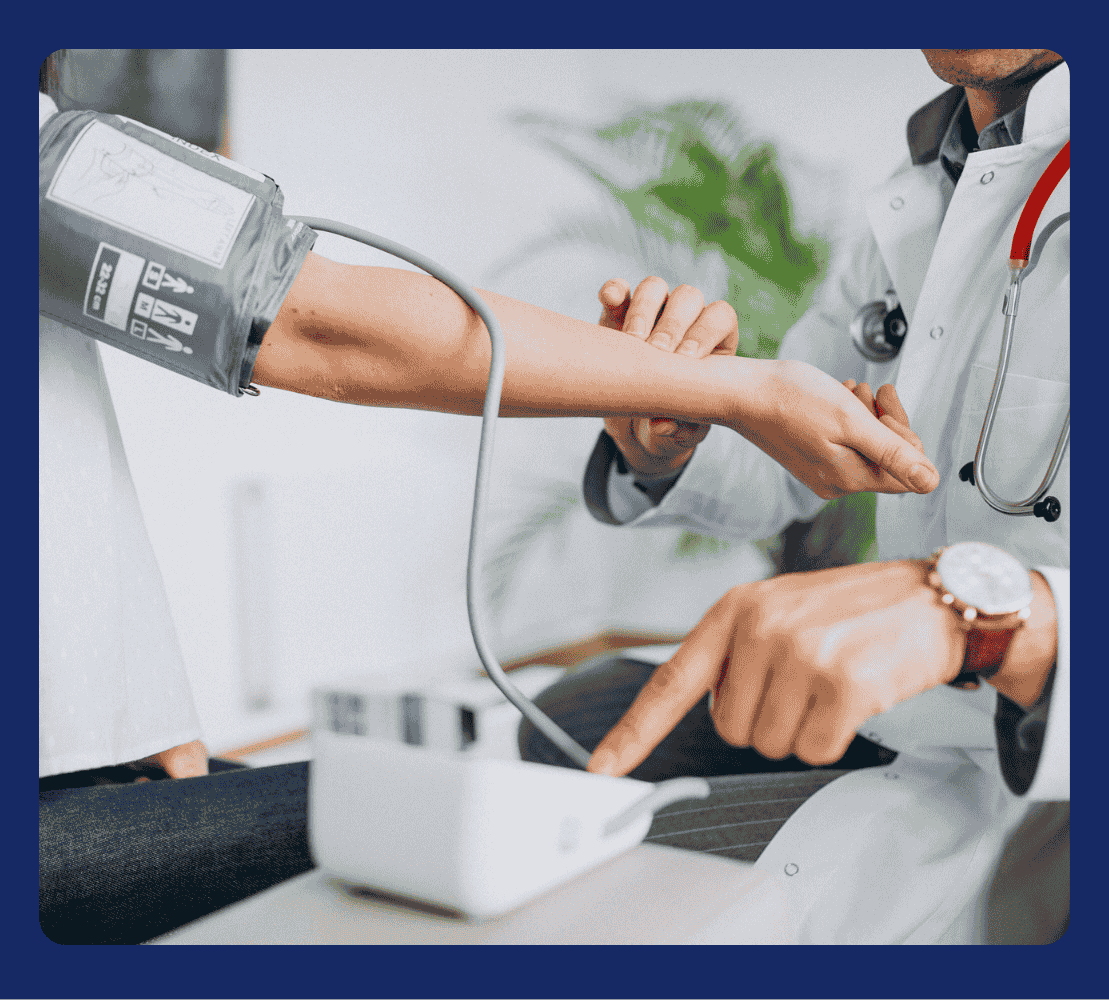
Second Opinion on Imaging & Pathology

Expert review of reports and scans to ensure accurate diagnosis and confident treatment decisions.
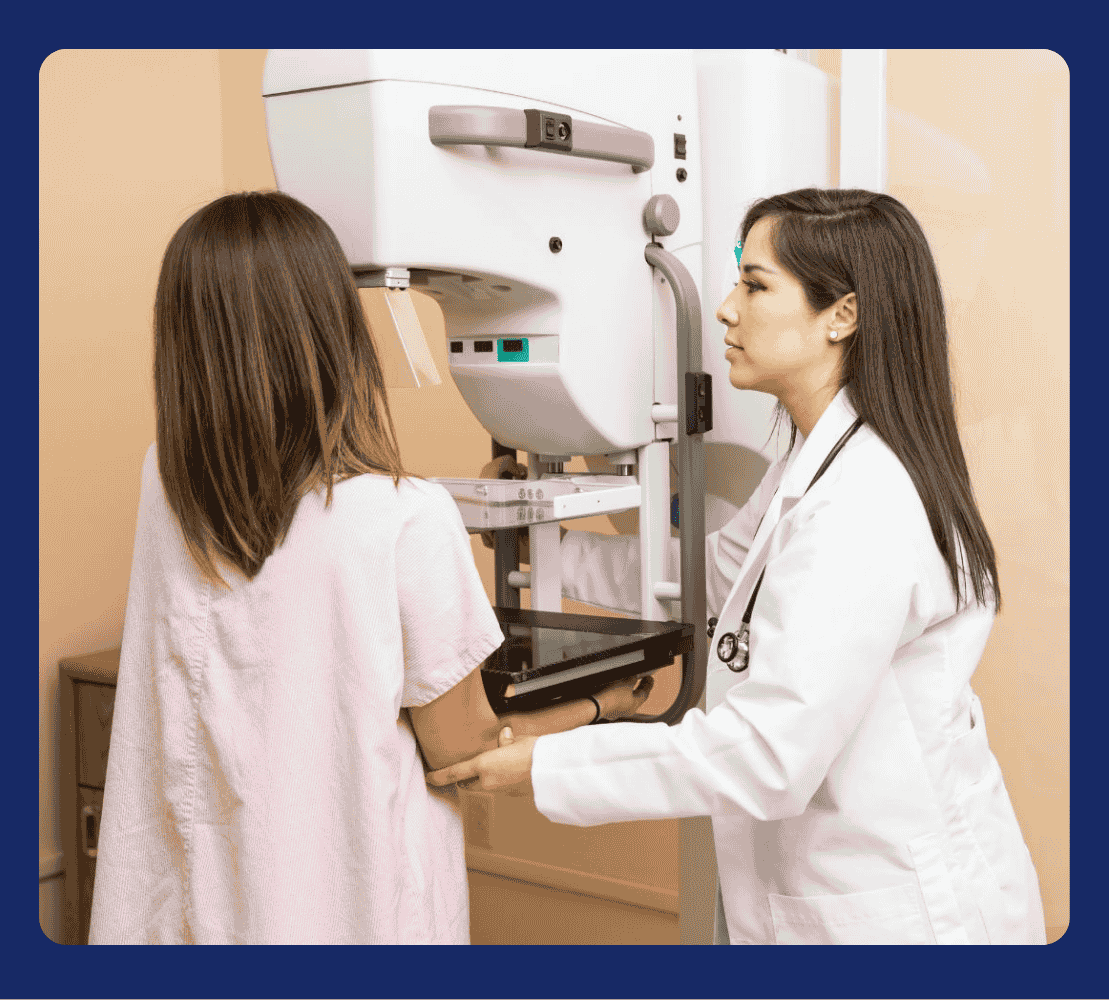
Risk Assessment (Family History / Genetic Risk)

Evaluation of personal and family history to identify high-risk individuals and plan preventive strategies.

Pre-Surgical Fitness Optimization

Comprehensive assessment before surgery to ensure patient safety, readiness, and better surgical outcomes.

Our Diagnostic Approach — Step by Step

A structured breast diagnostic pathway designed to ensure accurate diagnosis, timely intervention, and personalized treatment planning.

Step 1 – Initial Consultation

  • Detailed symptom assessment
  • Medical and family history review
  • Consultation with Dr. Mallika Dhanda

Step 2 – Clinical Breast Examination

  • Breast lump assessment
  • Lymph node evaluation
  • Skin and nipple examination

Step 3 – Imaging Studies

  • Breast ultrasound
  • Mammography when indicated
  • Age and symptom-based evaluation

Step 4 – Tissue Sampling

  • FNAC when appropriate
  • Core needle biopsy
  • Same-visit coordination whenever possible

Step 5 – Report Review & Diagnosis

  • Comprehensive report analysis
  • Clear explanation of findings
  • Compassionate patient counselling

Step 6 – Integrated Treatment Planning

  • Personalized treatment strategy
  • Surveillance or intervention planning
  • Documented follow-up recommendations

Why Accurate Breast Diagnosis Matters

A timely and accurate breast diagnosis is the foundation of effective treatment, informed decision-making, and better long-term outcomes.

Early Detection Saves Lives

Early-stage breast cancer diagnosis significantly improves treatment success. Breast cancer detected at Stage I has a survival rate exceeding 99%.

Avoid Unnecessary Surgery

Many breast lumps are benign. Accurate breast evaluation and biopsy help prevent unnecessary surgery, overtreatment, and anxiety.

Clarity Before Treatment

Every treatment decision—including surgery, chemotherapy, radiation therapy, or surveillance—depends on an accurate diagnosis.

Peace of Mind

A definitive diagnosis, even when benign, provides reassurance and empowers patients to make informed healthcare decisions with confidence.

Why Choose Dr. Mallika Dhanda for Breast Diagnosis in Noida?

Fellowship-trained breast and endocrine surgeon at Medanta Super Speciality Hospital, Noida, providing expert breast diagnostic evaluation, breast cancer diagnosis, and patient-centered care.

01
Specialized Breast Expertise

Dedicated practice focused on breast surgery, breast cancer diagnosis, benign breast disease, and advanced breast diagnostic evaluation.

02
Advanced Medanta Infrastructure

Access to Medanta's state-of-the-art imaging systems, pathology laboratories, breast ultrasound, mammography, and biopsy facilities.

03
Integrated Triple Assessment

Clinical examination, imaging studies, and FNAC/core biopsy are coordinated efficiently to ensure a fast and accurate diagnosis.

04
Patient-First Communication

Every report and diagnosis is explained in clear, non-technical language so patients can make informed decisions confidently.

05
Published & Peer-Recognized

Active contributor to surgical research and member of leading professional associations in breast and endocrine surgery.

06
Convenient Noida Location

Practicing at Medanta Hospital, Sector 50, Noida, easily accessible for patients from Noida, Delhi, Ghaziabad, Greater Noida, and across NCR.

Frequently Asked Questions

Triple assessment is the gold-standard approach for evaluating breast abnormalities. It combines clinical breast examination, breast imaging (ultrasound or mammography), and tissue sampling through FNAC or core needle biopsy. Together, these three components provide highly accurate diagnosis while minimizing false-positive and false-negative results.
FNAC (Fine Needle Aspiration Cytology) collects individual cells using a thin needle and is commonly used for cysts or palpable lumps. Core needle biopsy removes a small tissue sample for detailed laboratory analysis, providing more information about tissue architecture, hormone receptor status, and cancer grading. Core biopsy is usually preferred when a definitive diagnosis is required.
Most breast biopsies are performed under local anaesthesia and are well tolerated. Patients may experience mild discomfort, tenderness, or bruising for a few days after the procedure. FNAC and core biopsy generally take 10–20 minutes and do not require hospital admission.
Consult a breast specialist if you notice a new breast lump, thickening in the breast or armpit, persistent breast pain, nipple discharge, skin changes such as dimpling or redness, changes in breast shape, or if you have a family history of breast or ovarian cancer. Early evaluation is always recommended.
BI-RADS (Breast Imaging Reporting and Data System) is a standardized reporting system used by radiologists. BI-RADS 1–2 indicates benign findings, BI-RADS 3 suggests probably benign findings requiring follow-up, BI-RADS 4–5 indicates suspicious abnormalities that usually require biopsy, and BI-RADS 6 refers to a known cancer diagnosis. Specialist consultation is recommended for BI-RADS 3 or higher findings.
Yes. Dr. Mallika Dhanda provides expert second opinions on breast biopsy reports, mammography findings, breast ultrasound reports, and treatment recommendations. Seeking a second opinion is particularly valuable before making major treatment decisions such as surgery or chemotherapy.
BRCA1 and BRCA2 are genes associated with inherited breast and ovarian cancer risk. Genetic testing may be recommended if you have a strong family history of cancer, multiple affected relatives, or early-onset breast cancer in the family. A structured risk assessment helps determine whether genetic counselling and testing are appropriate.
Bring previous mammograms, ultrasound reports, biopsy results, and any relevant medical records. Be prepared to discuss your symptoms, medications, family history, and hormonal treatments. Wearing a comfortable two-piece outfit can make the examination easier.
FNAC results are typically available within 24–48 hours, while core biopsy histopathology reports generally take 3–5 working days. For urgent cases, expedited reporting may be available. Dr. Mallika Dhanda personally reviews results and discusses the next steps with patients.

Dr. Mallika Dhanda

Chat Support . Online

Hello! How can we help you today?
Chat with Us