
Appointment

What Are Breast Cancer Preventive Screening Services?

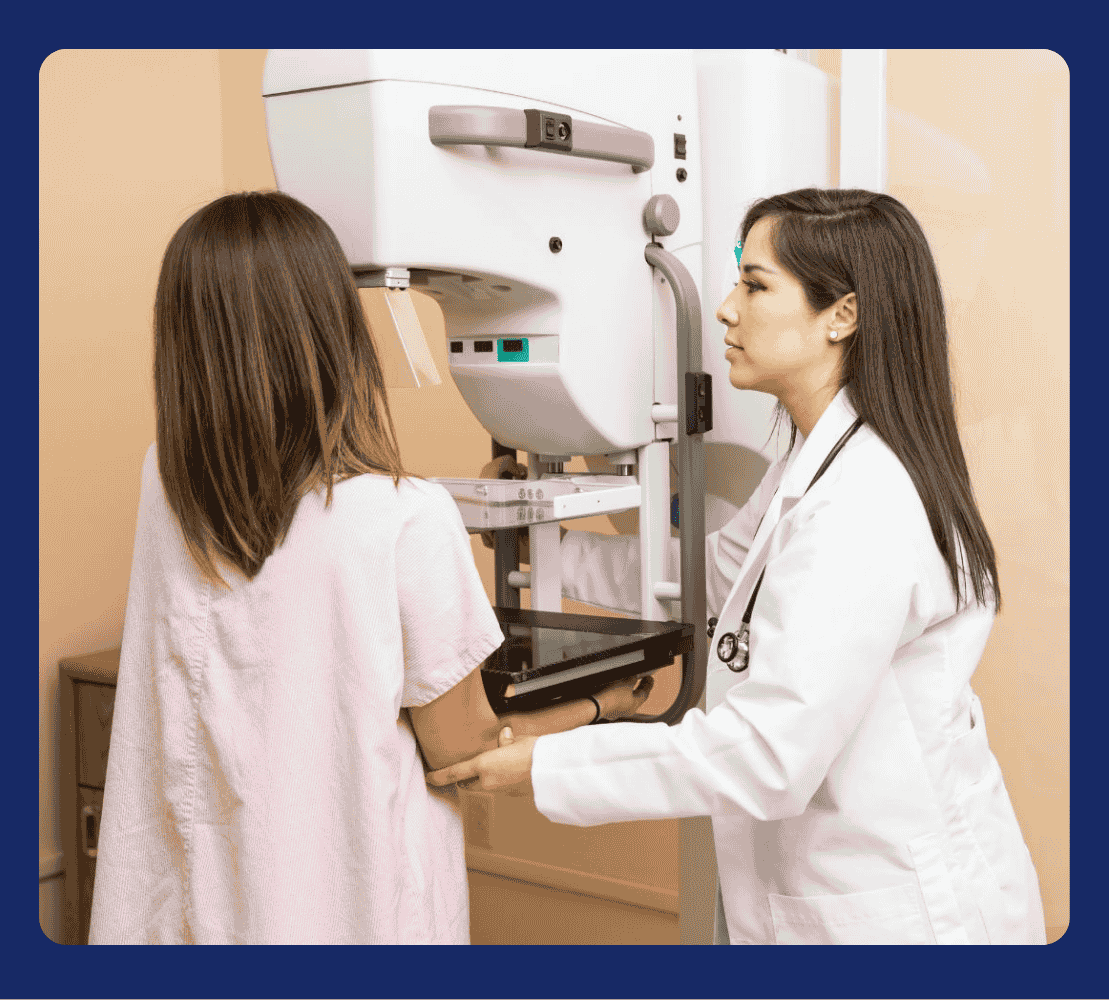
Breast cancer preventive screening is a systematic medical process designed to detect abnormal changes in breast tissue before they develop into breast cancer—or to identify cancer at its earliest, most treatable stage. It includes clinical breast examination, breast cancer screening, imaging tests, breast cancer risk assessment, and lifestyle counselling.
Unlike diagnostic tests (performed when symptoms are present), preventive breast screening is carried out proactively—even when you feel completely healthy. Regular breast cancer screening in Noida helps improve the chances of early breast cancer detection, leading to better treatment outcomes and higher survival rates.
Studies consistently show that women who participate in routine breast cancer preventive services have significantly higher survival rates, require less aggressive treatment, and benefit from earlier intervention when abnormalities are detected.

Book a Consultation

Our Preventive & Screening Services

Clinical Breast Examination Packages

Comprehensive physical examination by specialists to detect early signs of breast abnormalities.

Breast Cancer Screening Plans (Age-Based)

Customized screening programs based on age and risk factors for timely and accurate detection.

Genetic Counseling Referrals

Guidance and referrals for genetic testing in individuals with a strong family history of breast cancer.

Lifestyle Risk Reduction Programs

Personalized programs focusing on diet, exercise, and habits to reduce breast cancer risk.
Workplace / Corporate Screening Camps

Organized screening and awareness programs for employees to promote early detection and health awareness.

Awareness Programs (Schools, Colleges)

Educational initiatives to spread awareness about breast health, early signs, and preventive care.

Why Screening is Important

Regular screening plays a vital role in early detection and helps ensure better treatment outcomes and overall health.

Early Detection

Helps detect breast cancer at an early stage when treatment is most effective.

Improved Success Rates

Early diagnosis significantly increases the chances of successful treatment.

Reduced Risks

Minimizes complications and lowers the risks associated with advanced conditions.

Health Awareness

Encourages proactive health behavior and regular check-ups for long-term wellness.

Why Choose Us?

We provide expert preventive breast care with structured screening, education, and compassionate support for every patient.

01
Preventive Care Expertise

Specialized experience in early detection and prevention of breast conditions.

02
Structured Screening Programs

Organized and regular screening plans for timely diagnosis and monitoring.

03
Patient Education

Focused guidance and awareness to help patients make informed health decisions.

04
Compassionate Care

Trusted support with a patient-first approach ensuring comfort and confidence.

Frequently Asked Questions

Breast cancer preventive screening consists of regular medical examinations and tests performed in women without symptoms to detect breast cancer or pre-cancerous changes at the earliest possible stage, when treatment is most effective and less invasive.
Average-risk women are generally advised to begin clinical breast examinations between 25–30 years of age and annual mammography screening around age 40. Women with BRCA mutations, a strong family history, or other high-risk factors may need earlier and more intensive screening protocols.
A clinical breast examination (CBE) is a physical examination performed by a breast specialist to check for lumps, skin changes, nipple abnormalities, or enlarged lymph nodes. The examination is generally painless, though mild discomfort may occur if there is existing tenderness or a breast lump.
Many health insurance plans include preventive health check-up benefits, which may cover mammography and clinical breast examinations. Coverage varies depending on the insurer and policy. Patients should verify benefits directly with their insurance provider.
Women aged 40–49 are typically advised to undergo mammography annually or every two years depending on risk factors. Women aged 50–74 generally require screening every 1–2 years. High-risk women may require annual mammograms along with breast MRI scans.
Genetic counselling evaluates your personal and family history to determine the likelihood of inherited cancer-related gene mutations such as BRCA1 and BRCA2. If an increased risk is identified, a personalized prevention and surveillance strategy can be developed.
Yes. Although less common, breast cancer can occur in women under 40 and may be more aggressive when it develops. Women with a family history, genetic predisposition, or dense breast tissue may require earlier screening and specialist monitoring.
A mammogram is an X-ray examination of the breast and is considered the gold standard for routine breast cancer screening. A breast ultrasound uses sound waves to evaluate breast tissue and is particularly useful in women with dense breasts, assessing breast lumps, and guiding biopsies. Many patients benefit from both tests being used together.

Dr. Mallika Dhanda

Chat Support . Online

Hello! How can we help you today?
Chat with Us