
- Address: Medanta Super Speciality Hospital, Noida - F Block, Sector 50, Noida, Uttar Pradesh 201303
- Call Us: +91-9810413222
- Email: drmallikadhanda@gmail.com
Medanta Super Speciality Hospital, Noida
Fibrocystic breast disease — also known as fibrocystic breast changes or fibrocystic breast condition — is a common benign (non-cancerous) breast condition that causes lumpiness, swelling, breast pain, and tenderness. The breast tissue may feel rope-like, nodular, dense, or contain small fluid-filled cysts. Symptoms are often cyclical and may become more noticeable in the one to two weeks before menstruation, then improve afterwards.
Fibrocystic breast disease is one of the most common causes of breast pain in women and affects approximately 50–60% of women during their reproductive years. Although the term “disease” is commonly used, these changes are usually a normal response of breast tissue to hormonal fluctuations and are not considered breast cancer.
If you experience persistent breast pain, breast lumps, swelling, or changes in breast tissue, timely evaluation is important. Expert consultation for fibrocystic breast disease treatment in Noida can help confirm the diagnosis, relieve symptoms, and rule out other breast conditions. Dr. Mallika Dhanda at Medanta provides personalised assessment and treatment plans for women experiencing fibrocystic breast changes and related breast concerns.
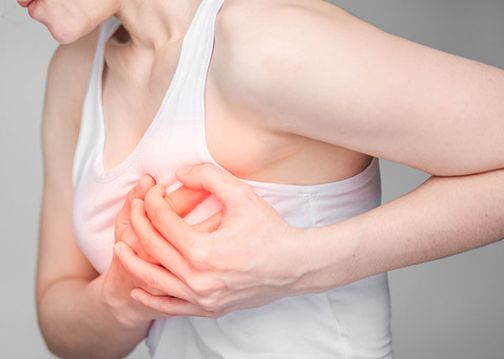
Fibrocystic breast changes may cause symptoms that vary with hormonal fluctuations and often become more noticeable before menstruation.
A lumpy, rope-like, or irregular texture throughout the breast tissue rather than one clearly defined lump.
Breast pain or tenderness that often worsens 1–2 weeks before periods and improves afterwards. Discomfort may extend to the armpit or upper arm.
A feeling of fullness, swelling, or increased breast size, especially during the premenstrual phase.
Small cysts or thickened areas may change in size during the menstrual cycle and feel more prominent before periods.
Occasional clear or slightly milky nipple discharge may occur. Bloodstained or one-sided discharge should be evaluated promptly.
Many women worry about breast cancer after noticing new lumps. Expert evaluation helps provide clarity and reassurance.
Fibrocystic breast changes are mainly caused by hormonal fluctuations, especially changes in oestrogen and progesterone levels throughout the menstrual cycle.
Relative excess of oestrogen or reduced progesterone may stimulate breast tissue changes, leading to cyst formation, thickening, and discomfort.
Fibrocystic breast disease is most common in women between 20–50 years of age and symptoms often improve after menopause.
High caffeine intake and diets rich in saturated fats may worsen breast tenderness and symptoms in some women.
Chronic stress may affect hormone regulation and contribute to increased breast pain and symptom severity.
Management focuses on relieving symptoms, improving lifestyle habits, and regular monitoring to ensure breast health.

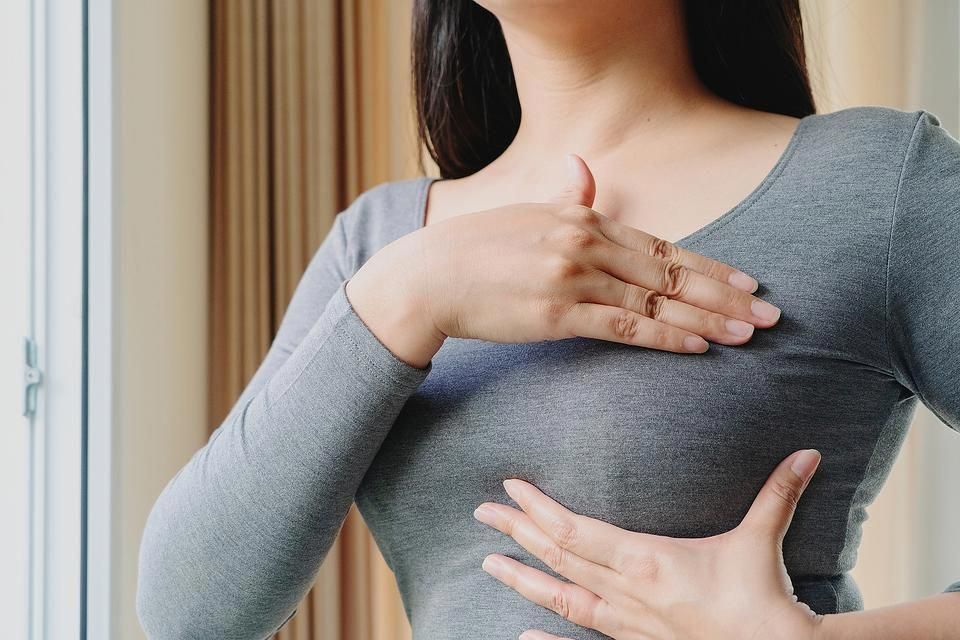
Do not dismiss breast symptoms as “just hormonal.” Early assessment helps confirm whether symptoms are due to fibrocystic breast changes or require further evaluation.
Seek evaluation if you notice a new breast lump or if your usual fibrocystic lumpiness feels different or changes over time.
Breast pain that becomes severe, lasts continuously, or interferes with sleep and daily activities should be assessed.
If breast symptoms occur outside your normal menstrual cycle pattern, further evaluation may be recommended.
Bloodstained, spontaneous, or one-sided nipple discharge should never be ignored and requires prompt review.
If a breast lump remains unchanged after your menstrual cycle ends, specialist assessment is advisable.
Women above 40 who have not had recent breast imaging or mammography should consider evaluation.
If breast cancer runs in your family and you are concerned about your risk, specialist guidance can help.
If you are uncertain about any breast symptom, consulting a specialist can provide reassurance and a clear plan.
Experience advanced healthcare with a patient-centered approach. We offer specialized services in breast care, cancer treatment, and endocrine surgery, ensuring accurate diagnosis, effective treatment, and complete support throughout your recovery journey.
Lifestyle changes and regular breast awareness can help reduce discomfort and support better management of fibrocystic breast changes.
Check your breasts once every month — ideally 7–10 days after your period starts when breast tenderness is lowest. Report any new, persistent, or changing lump to your doctor.
Maintain a simple record of breast pain, lumpiness, swelling, and menstrual cycle timing to help identify cyclical changes.
Reduce caffeine intake such as coffee, tea, energy drinks, and chocolate. Include omega-3-rich foods, fruits, and vegetables as some women notice improvement within weeks.
Continue regular breast evaluations even when symptoms improve, as specialist assessment provides reliable reassurance and ongoing monitoring.