
- Address: Medanta Super Speciality Hospital, Noida - F Block, Sector 50, Noida, Uttar Pradesh 201303
- Call Us: +91-9810413222
- Email: drmallikadhanda@gmail.com
Medanta Super Speciality Hospital, Noida
Duct ectasia (also called mammary duct ectasia or periductal mastitis) is a benign breast condition in which the milk ducts beneath the nipple become widened (dilated), thickened, and blocked with fluid or debris. This triggers inflammation of the surrounding breast tissue — a process called periductal mastitis — which causes the characteristic symptoms of nipple discharge, discomfort, and sometimes nipple inversion.
It is most commonly seen in women in their 40s and 50s approaching menopause, though it can occur at any age and occasionally affects men. Despite its sometimes alarming symptoms — particularly nipple discharge — duct ectasia is not cancer and does not increase the risk of breast cancer. However, because its symptoms can mimic more serious conditions, specialist evaluation is essential to confirm the diagnosis and rule out other causes.

Duct ectasia may cause noticeable changes around the nipple and breast tissue. Symptoms can vary in severity and should be evaluated if persistent.
The most common symptom. Discharge may be thick, sticky, and green, brown, grey, or creamy in colour. Bloodstained discharge requires urgent evaluation.
The nipple may gradually turn inward due to inflamed ducts pulling surrounding tissue. New inversion should always be assessed.
Dull aching or burning pain behind or around the nipple area that may spread into the surrounding breast tissue.
A tender lump or thickened area beneath the areola caused by dilated ducts and inflammation.
Redness, warmth, irritation, or skin thickening around the nipple and areola may occur during active inflammation.
Infection within inflamed ducts can lead to painful swelling, redness, and abscess formation requiring prompt treatment.
Multiple factors can contribute to these breast conditions, often involving age, lifestyle, and underlying changes in breast tissue.
Natural hormonal fluctuations and aging can affect breast tissue.
Obstruction in milk ducts can lead to swelling and discharge.
Smoking increases the risk of certain breast conditions.
Past infections may increase the likelihood of recurrence.
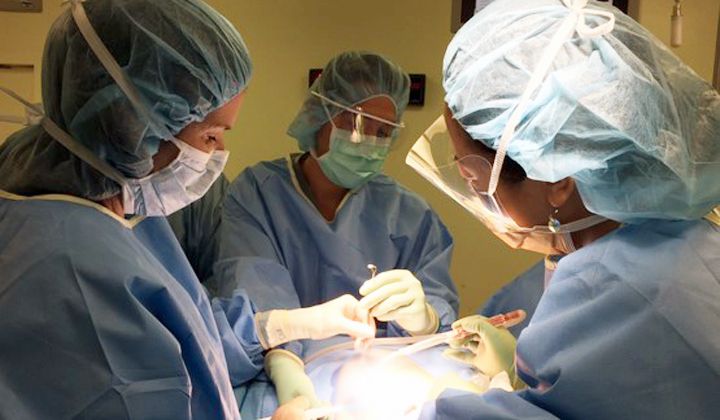
We offer personalized treatment options based on the severity and underlying cause of the condition.


Following simple preventive measures can help maintain breast health and reduce risks.
Keep the breast area clean and dry to prevent infections.
Smoking can increase the risk of breast-related complications.
Regular self-examination helps detect any unusual changes early.
Visit your doctor regularly for proper evaluation and guidance.