
- Address: Medanta Super Speciality Hospital, Noida - F Block, Sector 50, Noida, Uttar Pradesh 201303
- Call Us: +91-9810413222
- Email: drmallikadhanda@gmail.com
Medanta Super Speciality Hospital, Noida
Fibroadenoma is a solid, benign (non-cancerous) breast lump formed from a combination of glandular (milk-producing) tissue and fibrous (connective) tissue. It is one of the most common causes of a breast lump in women, particularly between the ages of 15 and 35, although it can occur at any stage of life.
A fibroadenoma usually feels smooth, firm, rubbery, and well-defined, and it often moves easily beneath the skin when touched — which is why it is sometimes referred to as a “breast mouse.” Most fibroadenomas are painless and harmless, but any new or changing breast lump should always be evaluated to confirm the diagnosis.
Early assessment is important because some fibroadenomas may increase in size over time, and in rare situations other breast conditions, including phyllodes tumours, may appear similar during examination. Accurate fibroadenoma diagnosis and treatment in Noida helps distinguish benign breast lumps from conditions that require closer monitoring.
Dr. Mallika Dhanda at Medanta offers comprehensive evaluation for fibroadenoma treatment in Noida, including clinical breast examination, breast imaging, observation, and treatment planning when required to ensure personalised and evidence-based care.
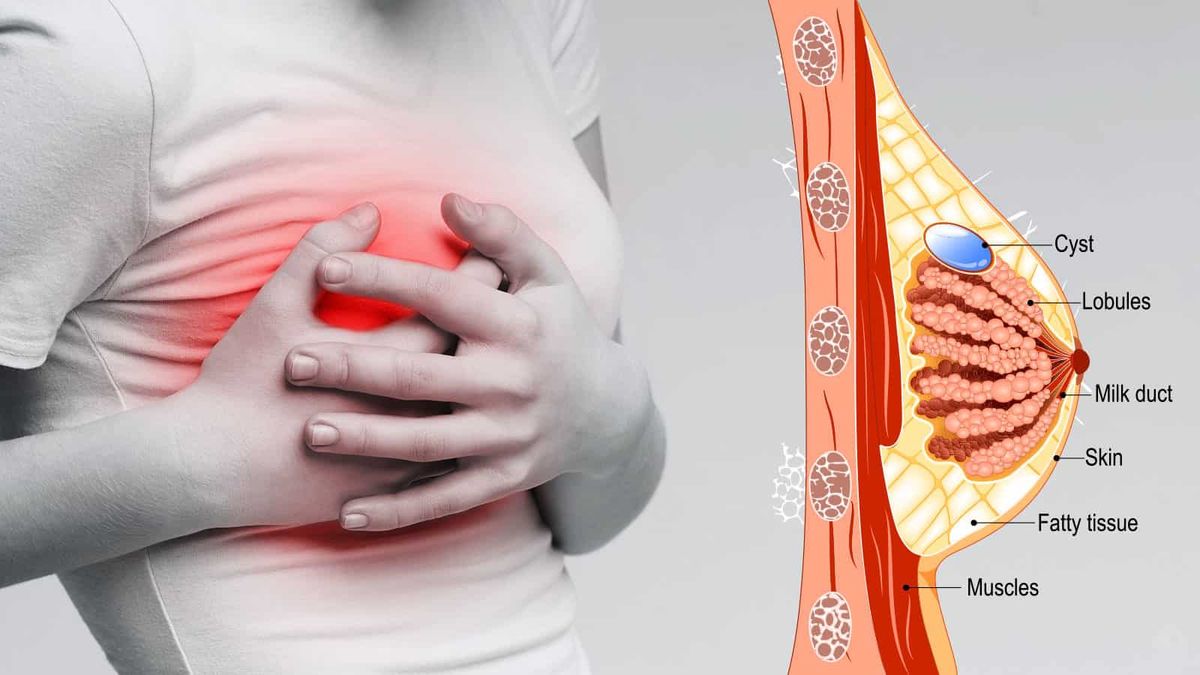
Fibroadenomas are not all the same. Understanding the different types helps guide monitoring, follow-up, and treatment decisions.
The most common type with a uniform appearance under examination. Usually small, smooth, mobile, and commonly managed with observation and follow-up.
Contains additional tissue changes such as cysts, calcification, or adenosis and may require closer monitoring and specialist review.
Larger than 5 cm and may cause visible breast enlargement, asymmetry, or discomfort. Treatment may be considered depending on size and symptoms.
Commonly seen in adolescent girls and young teenagers. These may grow rapidly but are generally benign and require specialist evaluation.
Fibroadenoma usually presents as a benign breast lump with characteristic features that can help distinguish it from other breast conditions.
A well-defined, smooth, rubbery breast lump that moves easily under the skin when touched.
Most fibroadenomas do not cause pain and are often discovered accidentally during self-examination.
Fibroadenoma may occur as a single lump or multiple lumps and can affect one or both breasts.
Some fibroadenomas may enlarge during pregnancy or hormonal changes and may reduce in size after menopause.
Management of fibroadenoma depends on its size, symptoms, and clinical findings, ranging from simple observation to surgical removal.
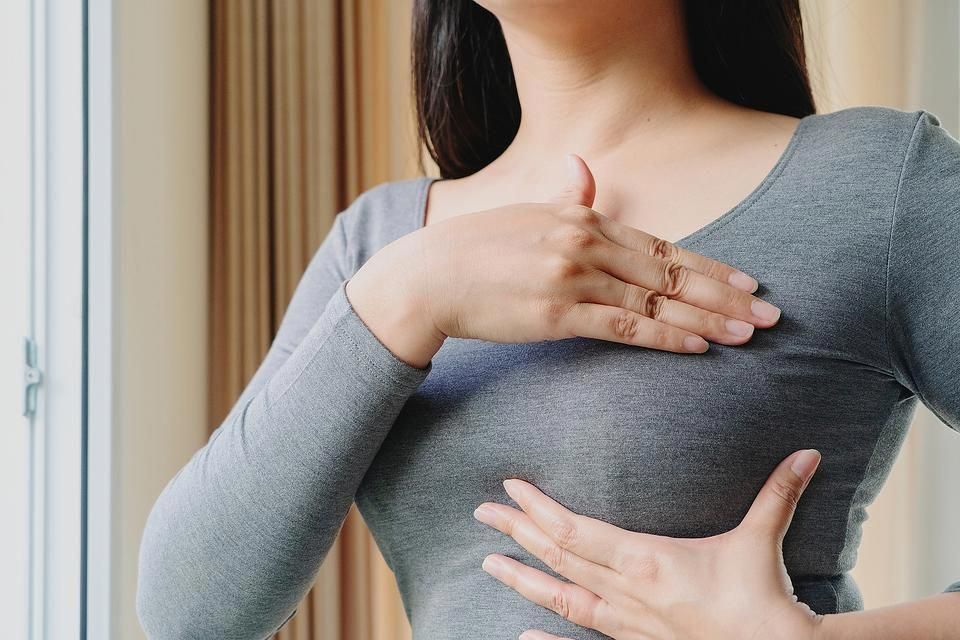
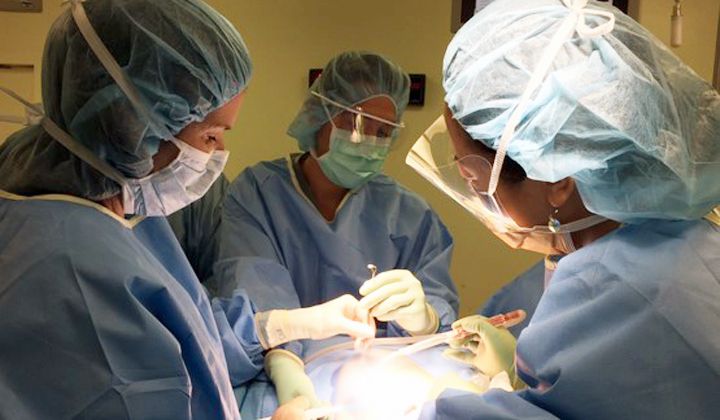
Any new or changing breast lump should be assessed by a specialist. Early evaluation helps confirm diagnosis and determine whether monitoring or treatment is required.
Consult a specialist if you notice a new breast lump, whether painful or painless.
Seek evaluation if a lump increases in size or changes in shape, texture, or appearance.
Lumps larger than 2–3 cm or those causing visible breast asymmetry may require treatment planning.
Any breast lump during pregnancy or before planning pregnancy should be evaluated by a specialist.
Breast lumps in adolescents and teenagers should receive specialist assessment for accurate diagnosis.
If a breast lump causes concern or uncertainty, consultation can provide clarity and peace of mind.
If a lump returns after previous fibroadenoma treatment or removal, further evaluation is recommended.
Noticed a breast lump or concerned about fibroadenoma? Get expert evaluation, accurate diagnosis, and personalised treatment planning with Dr. Mallika Dhanda at Medanta. Whether you need observation, imaging, biopsy, or treatment guidance, receive compassionate breast care with evidence-based recommendations.
Following simple preventive measures can help maintain breast health and detect any changes early.
Regular breast self-examination helps in early detection of any unusual changes.
Periodic medical check-ups ensure timely diagnosis and proper guidance.
Maintain a balanced diet, regular exercise, and a healthy daily routine.
Avoid unnecessary stress and adopt relaxation techniques for overall well-being.