Appointment
Breast Care Specialist

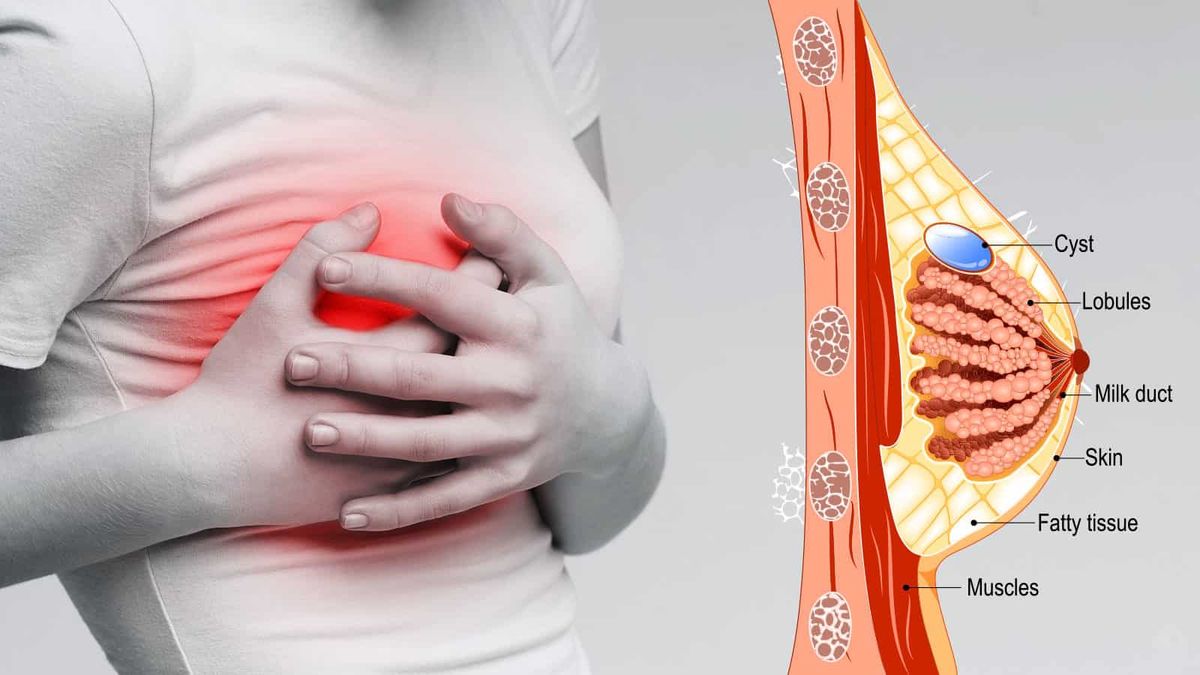
What is Nipple Discharge?

Nipple discharge refers to any fluid that comes out of the nipple. It may occur spontaneously or only when the breast is pressed. The discharge can vary in color, consistency, and quantity, which helps in identifying the underlying cause.
At our clinic, we provide comprehensive evaluation and expert care to determine the cause and ensure appropriate management.
Book a Consultation
Breast Pain Clinic

Types of Nipple Discharge

Nipple discharge can vary in appearance and may indicate different underlying conditions.

Milky Discharge

Common during pregnancy or breastfeeding.

Clear or Watery

Thin and transparent discharge from the nipple.

Yellow or Greenish

May indicate benign conditions like duct ectasia.

Bloody Discharge

Requires immediate medical evaluation.

Common Causes

Nipple discharge may occur due to various physiological or pathological conditions.

Hormonal Changes

Fluctuations in hormones can trigger discharge.

Duct Ectasia

Widening of milk ducts leading to discharge.

Intraductal Papilloma

A small benign growth inside the milk duct.

Breast Infections

Infections may cause pus or abnormal discharge.

Fibrocystic Changes

Benign changes in breast tissue causing discharge.

Certain Medications

Some drugs may influence hormonal balance.

Pregnancy or Lactation

Natural physiological causes of discharge.

Diagnosis & Evaluation

We follow a detailed and structured approach to accurately diagnose breast conditions and guide effective treatment.

Clinical Examination

  • Clinical breast examination
  • Assessment of symptoms and medical history

Imaging

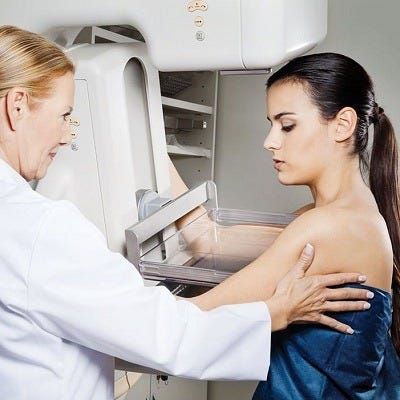
  • Breast ultrasound or mammography
  • Imaging based on age and clinical findings

Advanced Evaluation

  • Duct evaluation (if required)
  • FNAC or biopsy (in selected cases)

Treatment Options

Treatment depends on the underlying cause and may range from simple reassurance to medical or surgical care.

Observation and Reassurance
Observation & Reassurance
  • Recommended for harmless or hormonal causes
  • Regular monitoring without active intervention
Medical Treatment
Medical Treatment
  • Hormonal regulation therapy
  • Antibiotics (if infection is present)
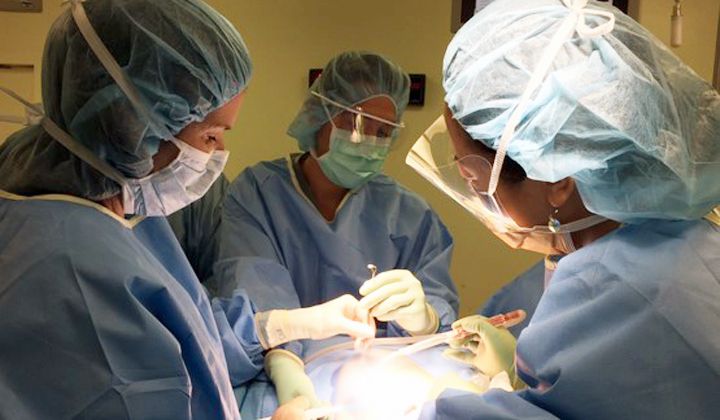
Surgical Management
Surgical Management
  • Removal of affected duct (in specific cases)
  • Considered for persistent or severe conditions

Preventive Care & Tips

Simple preventive measures can help maintain breast health and reduce the risk of complications.

01
Avoid Unnecessary Stimulation

Avoid excessive nipple stimulation to reduce abnormal discharge.

02
Maintain Breast Hygiene

Keep the breast area clean and dry to prevent infections.

03
Breast Self-Examination

Perform regular self-examinations to detect any changes early.

04
Routine Check-ups

Schedule regular clinical check-ups for proper monitoring and guidance.

Frequently Asked Questions

Nipple discharge refers to any fluid that comes out from the nipple. It may be normal in some cases, but certain types require medical evaluation.
Causes include hormonal changes, duct ectasia, infections, intraductal papilloma, fibrocystic changes, and certain medications.
It is concerning if the discharge is bloody, clear and spontaneous, occurs from one breast, or is associated with a lump or skin changes.
Evaluation includes clinical examination, imaging (ultrasound or mammography), and further tests such as biopsy if required to identify the cause.
Treatment depends on the cause and may include observation, medications, or surgical removal of affected ducts in specific cases.

Dr. Mallika Dhanda

Chat Support . Online

Hello! How can we help you today?
Chat with Us