Appointment
Breast Care Specialist

What is Duct Ectasia?

Duct ectasia refers to the dilation and thickening of milk ducts in the breast. Over time, these ducts may become blocked, leading to fluid buildup and irritation. It is most commonly seen in women approaching menopause but can occur at any age.
This can lead to symptoms such as nipple discharge, breast discomfort, or inflammation. Although it is not a serious condition, proper evaluation is essential to rule out other breast diseases and provide appropriate treatment.

Book a Consultation
Breast Pain Clinic

Common Symptoms

Certain benign breast conditions may present with noticeable symptoms around the nipple and surrounding tissue.

Nipple Discharge

Discharge may be thick, sticky, or colored.

Breast Pain or Tenderness

Pain or tenderness in the affected breast area.

Swelling or Lump Near Nipple

Presence of swelling or a lump close to the nipple.

Redness or Inflammation

Redness or irritation around the nipple area.

Nipple Inversion

In some cases, the nipple may turn inward.

Causes & Risk Factors

Multiple factors can contribute to these breast conditions, often involving age, lifestyle, and underlying changes in breast tissue.

Aging & Hormonal Changes

Natural hormonal fluctuations and aging can affect breast tissue.

Blocked Milk Ducts

Obstruction in milk ducts can lead to swelling and discharge.

Smoking

Smoking increases the risk of certain breast conditions.

Previous Breast Infections

Past infections may increase the likelihood of recurrence.

Diagnosis & Evaluation

We follow a structured and comprehensive approach to ensure accurate diagnosis and effective treatment planning.

Clinical Examination

  • Clinical breast examination
  • Detailed evaluation of symptoms

Imaging

  • Breast ultrasound
  • Mammography (if required)

Advanced Testing

  • Nipple discharge analysis (if required)
  • FNAC or biopsy (in selected cases)

Treatment Options

We offer personalized treatment options based on the severity and underlying cause of the condition.


Conservative Management
  • Warm compress and pain relief
  • Proper breast hygiene
  • Monitoring symptoms
Medical Treatment
Medical Treatment
  • Antibiotics (if infection is present)
  • Anti-inflammatory medications
Surgical Treatment
Surgical Treatment
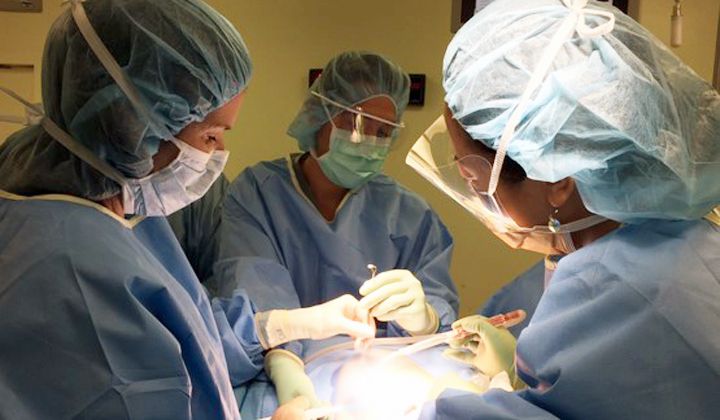
  • Removal of affected ducts
  • Recommended in persistent or severe cases

Preventive Care & Tips

Following simple preventive measures can help maintain breast health and reduce risks.

01
Maintain Breast Hygiene

Keep the breast area clean and dry to prevent infections.

02
Avoid Smoking

Smoking can increase the risk of breast-related complications.

03
Breast Self-Examination

Regular self-examination helps detect any unusual changes early.

04
Routine Clinical Check-ups

Visit your doctor regularly for proper evaluation and guidance.

Frequently Asked Questions

Duct ectasia is a benign breast condition where the milk ducts become widened and filled with fluid, often leading to nipple discharge and discomfort.
Symptoms may include nipple discharge, breast pain, swelling near the nipple, redness, or changes in the nipple such as inversion.
No, duct ectasia is a non-cancerous condition. However, proper evaluation is important to rule out other serious breast conditions.
Treatment may include medications, antibiotics (if infection is present), warm compress, or surgical removal of affected ducts in severe cases.
You should consult a doctor if you notice nipple discharge, persistent breast pain, swelling, or any unusual changes in the breast.

Dr. Mallika Dhanda

Chat Support . Online

Hello! How can we help you today?
Chat with Us