
Appointment
Breast Care Specialist

What is Fibrocystic Breast Disease?

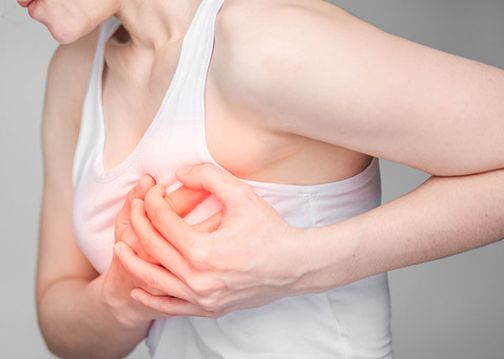
Fibrocystic breast disease refers to non-cancerous changes in breast tissue that lead to lumpiness, swelling, and discomfort. These changes are often influenced by hormonal fluctuations, especially during the menstrual cycle.
At our clinic, we provide expert evaluation and personalized management to ensure effective relief and reassurance.
Book a Consultation
Breast Pain Clinic

Common Symptoms

Fibrocystic breast changes and similar benign conditions may present with noticeable symptoms that vary with hormonal cycles.

Breast Lumpiness

Presence of lumpiness or thickened breast tissue.

Breast Pain or Tenderness

Pain or tenderness, especially before menstrual periods.

Swelling or Heaviness

Feeling of fullness, swelling, or heaviness in the breasts.

Fluctuating Lump Size

Lump size may change with the menstrual cycle.

Nipple Discharge

Occasional discharge from the nipple may occur.

Causes & Risk Factors

Several factors contribute to the development of benign breast conditions, primarily related to hormonal and lifestyle influences.

Hormonal Changes

Imbalance of estrogen and progesterone levels.

Menstrual Cycle Variations

Symptoms often vary with menstrual cycle phases.

Stress & Lifestyle

Stress and unhealthy lifestyle habits may contribute.

Caffeine Sensitivity

Some individuals may experience symptoms linked to caffeine intake.

Diagnosis & Evaluation

We follow a comprehensive approach to accurately diagnose breast conditions and guide appropriate treatment.

Clinical Examination

  • Clinical breast examination
  • Detailed symptom assessment

Imaging

  • Breast ultrasound
  • Mammography (if required)

Advanced Testing

  • FNAC or biopsy (if required)
  • Hormonal and risk assessment

Treatment Options

Management focuses on relieving symptoms, improving lifestyle habits, and regular monitoring to ensure breast health.

Lifestyle and Conservative Management
Lifestyle & Conservative Management
  • Wearing a well-fitted supportive bra
  • Reducing caffeine and fatty foods
Medical Treatment
Medical Treatment
  • Pain-relieving medications
  • Hormonal therapy (if required)
Follow-up and Monitoring
Follow-up & Monitoring
  • Regular clinical check-ups to monitor changes
  • Reassurance and proper patient education

Preventive Care & Tips

Simple preventive measures can help maintain breast health and support early detection of any changes.

01
Breast Self-Examination

Perform regular breast self-examination to detect any unusual changes early.

02
Healthy Lifestyle

Maintain a balanced diet, regular exercise, and overall healthy daily habits.

03
Stress Management

Manage stress effectively through relaxation techniques and a positive routine.

04
Routine Breast Check-ups

Attend regular clinical check-ups for proper evaluation and guidance.

Frequently Asked Questions

Fibrocystic breast disease is a common benign condition where the breast tissue becomes lumpy, tender, or swollen due to hormonal changes, especially during the menstrual cycle.
Common symptoms include breast lumpiness, pain or tenderness, swelling, and changes that may vary with the menstrual cycle.
No, it is a non-cancerous condition and usually not dangerous. However, proper evaluation is important to rule out other serious breast conditions.
Treatment includes lifestyle changes, proper breast support, pain relief medications, and regular monitoring. Most cases do not require surgery.
You should consult a doctor if you notice persistent pain, a new lump, nipple discharge, or any unusual changes in your breast.

Dr. Mallika Dhanda

Chat Support . Online

Hello! How can we help you today?
Chat with Us